
Replace a Tub With a DFW Walk-In Shower
Turn an underused tub alcove into a shower with easier entry, purposeful storage, and glass sized for the existing room.
What Drives the Cost of Replacing a Tub With a Shower
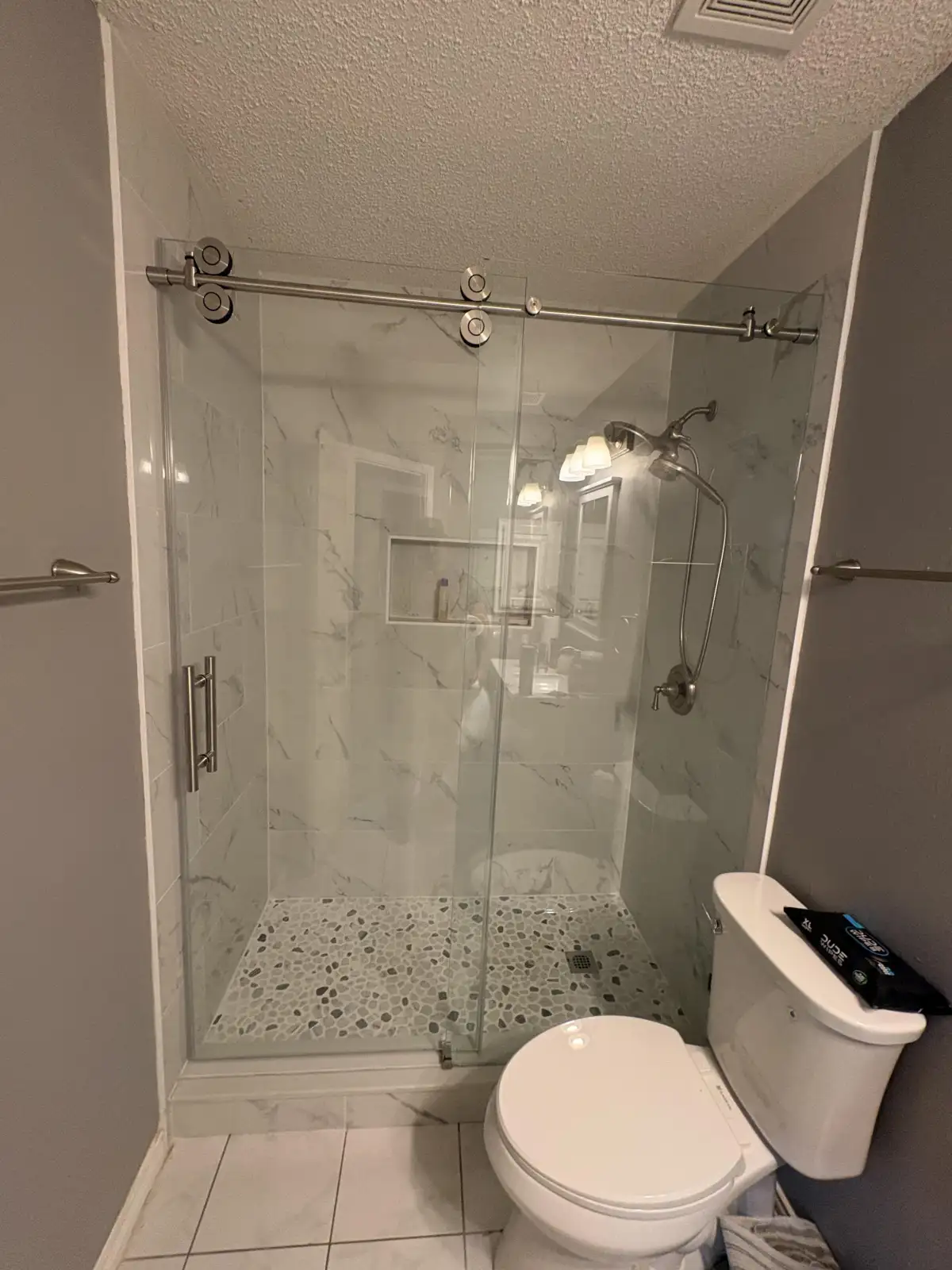
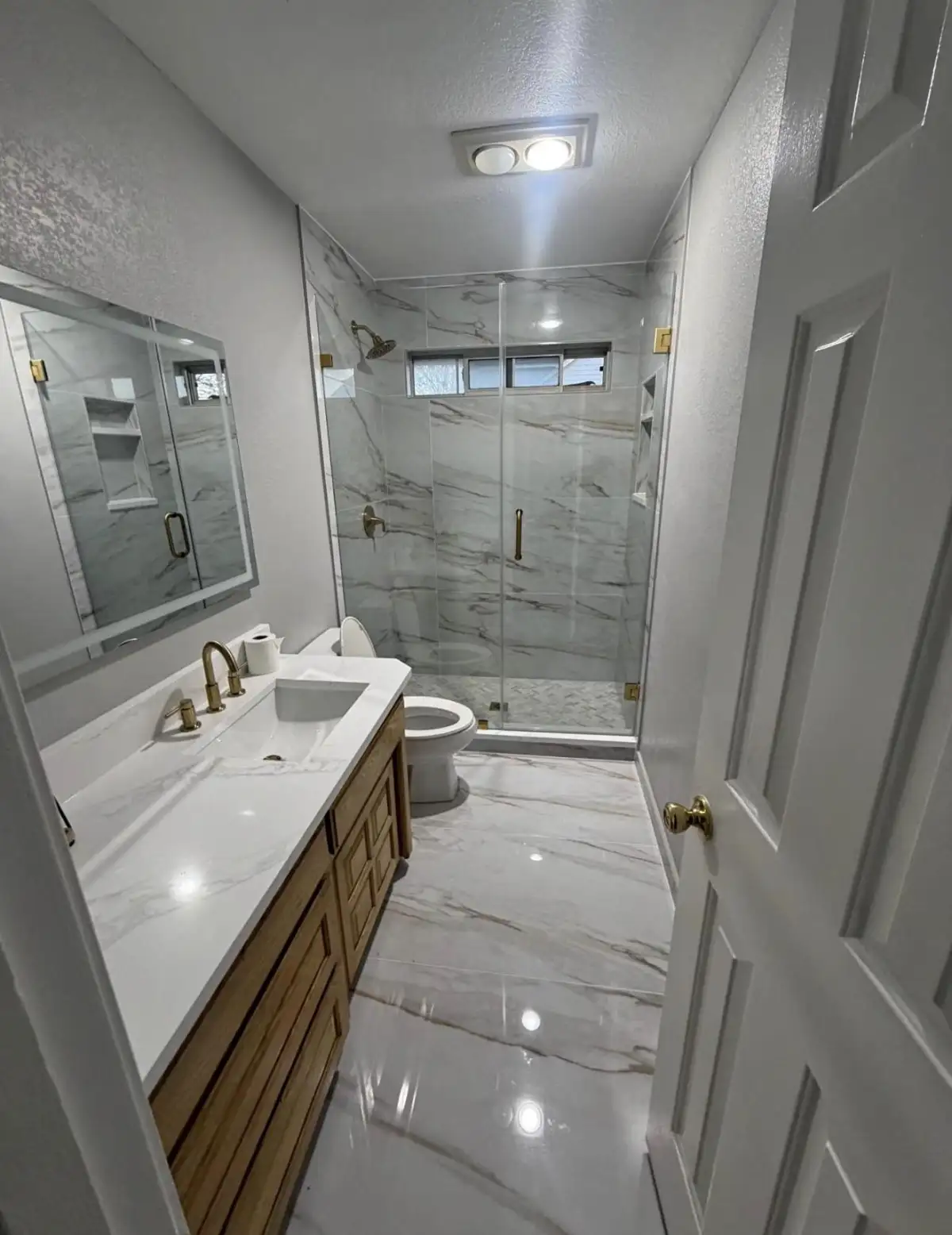
Tub to shower conversion investment depends on layout, materials, and scope. The final cost depends on the size of the new shower, your tile and fixture selections, whether existing plumbing needs to be reconfigured, and the complexity of the waterproofing required. We offer Essential, Premium, and Elite build levels to match your goals and budget.
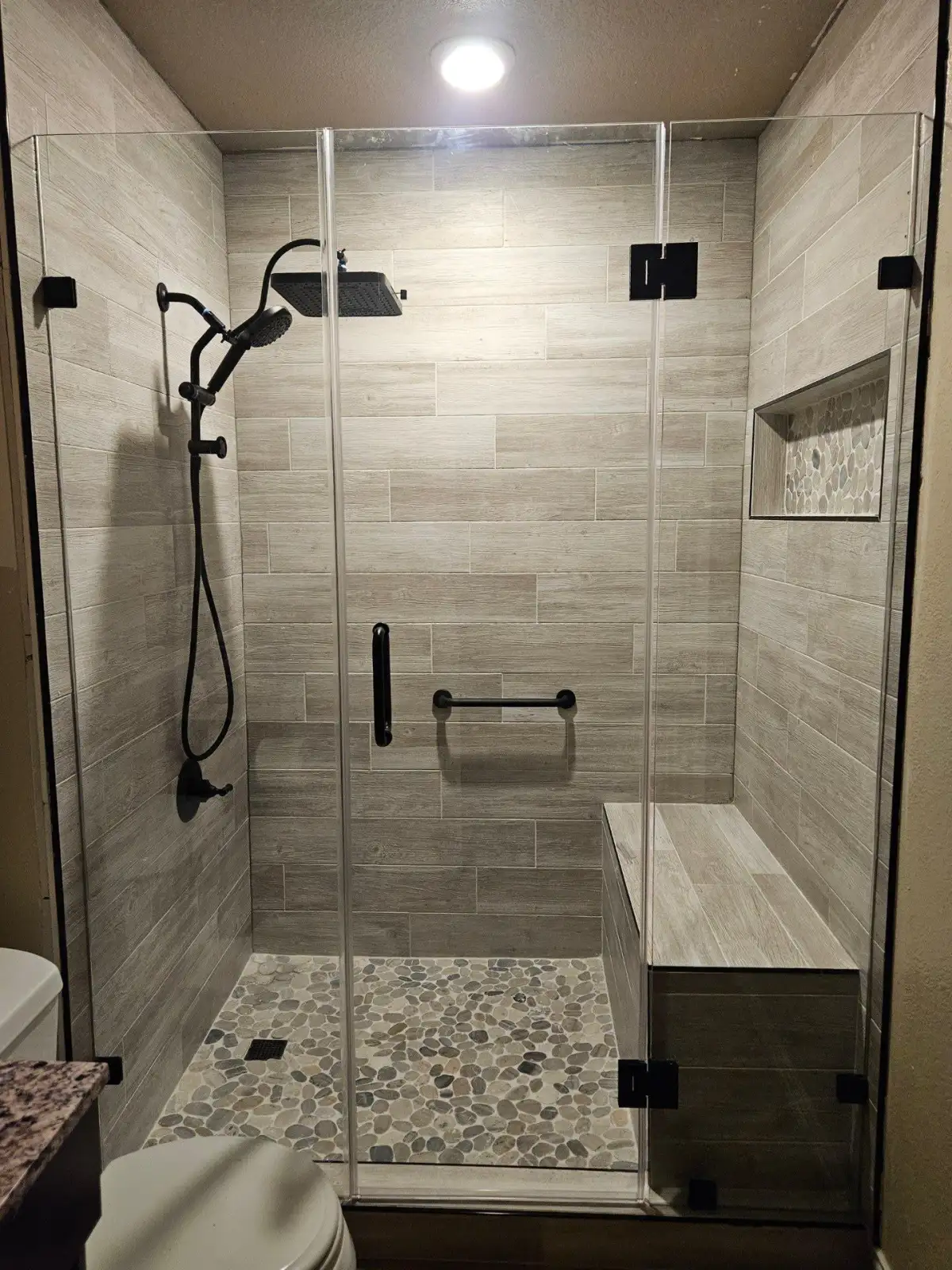
An Essential conversion includes porcelain tile, a single showerhead, built-in niche, and fixed glass panel. Premium conversions add custom tilework, bench seats, frameless glass enclosures, and upgraded fixtures. Elite conversions feature natural stone, curbless entry, linear drains, rain heads, and body sprays for a complete luxury experience.
The tub-to-shower conversion is consistently one of the most requested bathroom improvements in the DFW market. According to the National Association of Realtors, the average American homeowner uses their bathtub for actual bathing fewer than 5 times per year. For most households, converting an underused tub into a spacious shower is a practical upgrade that improves both daily function and long-term home value.
When an Unused Tub Becomes Wasted Space
A tub-to-shower conversion isn't just a cosmetic upgrade. It solves real problems that most DFW homeowners deal with every day.
Better Accessibility & Safety
Stepping over a bathtub wall — typically 14 to 18 inches high — is a fall hazard, particularly for older adults and children. A walk-in shower with a low threshold or curbless entry dramatically reduces this risk. The CDC reports that over 235,000 Americans visit emergency rooms annually due to bathroom falls. A walk-in shower is one of the most effective modifications for preventing these injuries.
Modern Design Appeal
Outdated tub/shower combos with builder-grade fiberglass surrounds are one of the most common complaints among DFW homeowners. A custom tile walk-in shower with frameless glass instantly modernizes the bathroom and creates a spa-like atmosphere. This is the single most impactful visual change you can make in a bathroom renovation.
More Usable Space
A standard bathtub occupies a 5-foot by 30-inch footprint — space that can be reconfigured to create a larger shower, add a bench seat, or improve the overall bathroom layout. In smaller bathrooms, removing the tub can open up floor space for a wider vanity, better storage, or simply more room to move comfortably.
Increased Home Value
According to Remodeling Magazine's 2024 Cost vs. Value report, a mid-range bathroom remodel (which often includes a tub-to-shower conversion) recovers approximately 74% of its cost at resale in the South Central region. Real estate agents in the DFW market consistently cite updated showers as a top selling point — as long as at least one bathtub remains in the home for families with young children.
The Wet-Area Rebuild After Tub Removal
Our conversion process follows a proven sequence that ensures proper waterproofing, clean transitions, and a finished shower built to last.
Tub Removal & Demo
We disconnect and remove the existing bathtub, strip the surround material (fiberglass, tile, or acrylic), and inspect the wall framing for moisture damage, mold, or structural issues. Any compromised framing is repaired or replaced before rebuilding.
Plumbing Modification
The existing tub drain is relocated to the shower floor position. Supply lines are modified for the new shower valve location. We rough in new plumbing for rain heads, handheld sprayers, and body jets as needed — all to current Texas Plumbing Code specifications.
Waterproofing & Substrate
Cement board and/or foam board substrate is installed on walls. The shower floor is built with a pre-sloped mortar bed. Full Schluter-KERDI waterproofing membrane is applied to all surfaces — walls, floor, curb, niche, and bench. We flood-test the shower pan for 24 hours before proceeding.
Tile, Glass & Finish
Custom tile installation on all shower surfaces. Grout, seal, and cure. Frameless glass enclosure is measured, fabricated, and installed. Fixtures, trim, showerhead, and accessories are connected. Final inspection, cleanup, and your walk-through approval.
How Long Does a Tub to Shower Conversion Take?
A typical tub-to-shower conversion takes 5 to 10 business days from tub removal to final walk-through. Here's how the timeline typically breaks down:
- Day 1-2: Tub removal, demolition, framing inspection and repair, plumbing rough-in
- Day 3-4: Substrate installation, shower pan construction, waterproofing membrane application, 24-hour flood test
- Day 5-7: Tile installation (walls and floor), grout application, curing period
- Day 8-10: Fixture installation, glass enclosure, trim, caulking, cleanup, and walk-through
Simple conversions on the same footprint can be completed in as few as 5 days. Conversions involving layout changes, curbless floors, or extensive custom tilework may take up to 2 weeks. We provide a detailed day-by-day schedule during your consultation so you can plan accordingly.
During the conversion, the bathroom will be out of service. We recommend having access to another bathroom in your home. If you have a single-bathroom home, we prioritize your project to minimize the time without facilities. Not sure if a walk-in shower is right for your home? Read our walk-in shower vs. bathtub comparison to help decide.
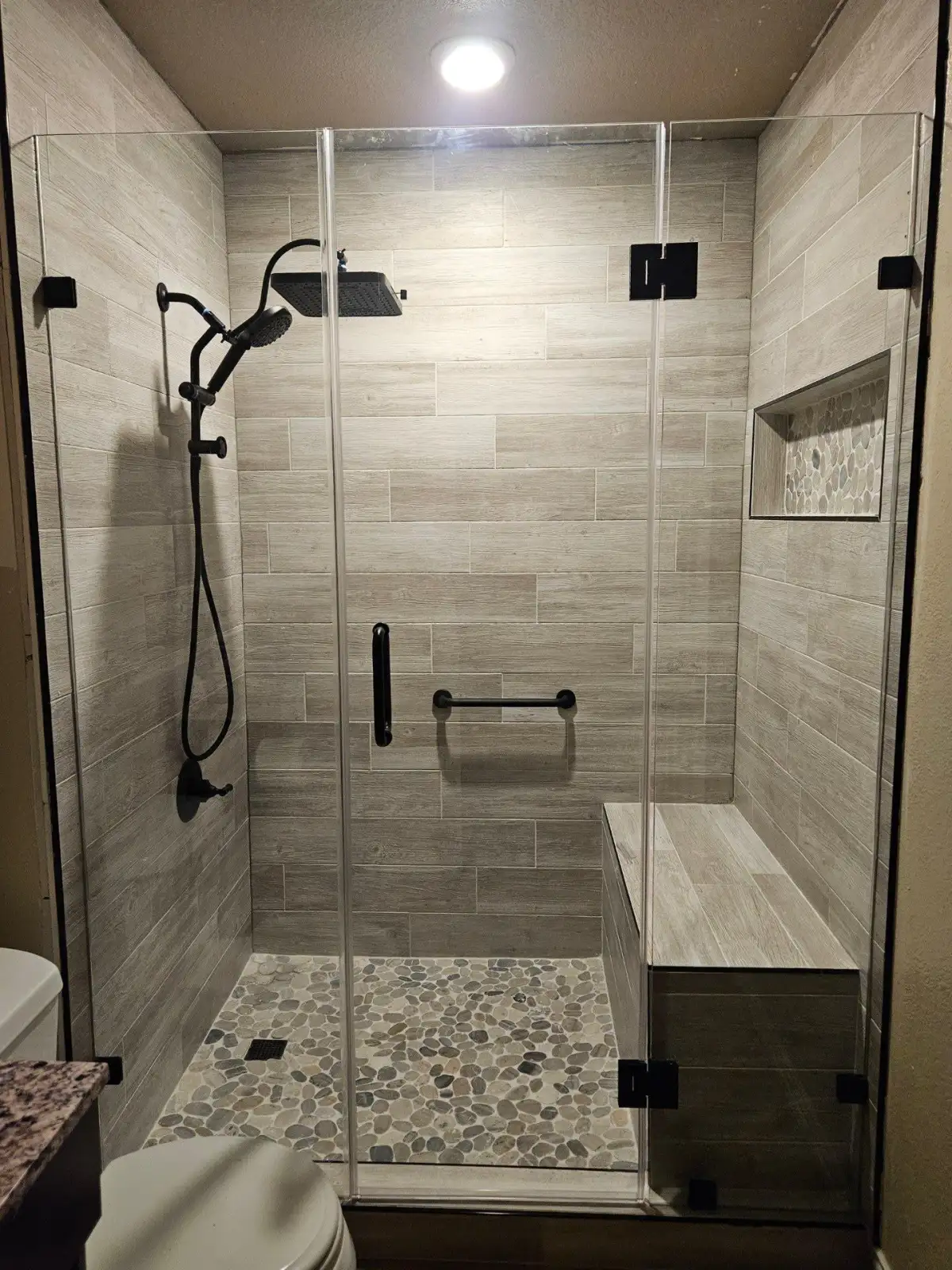
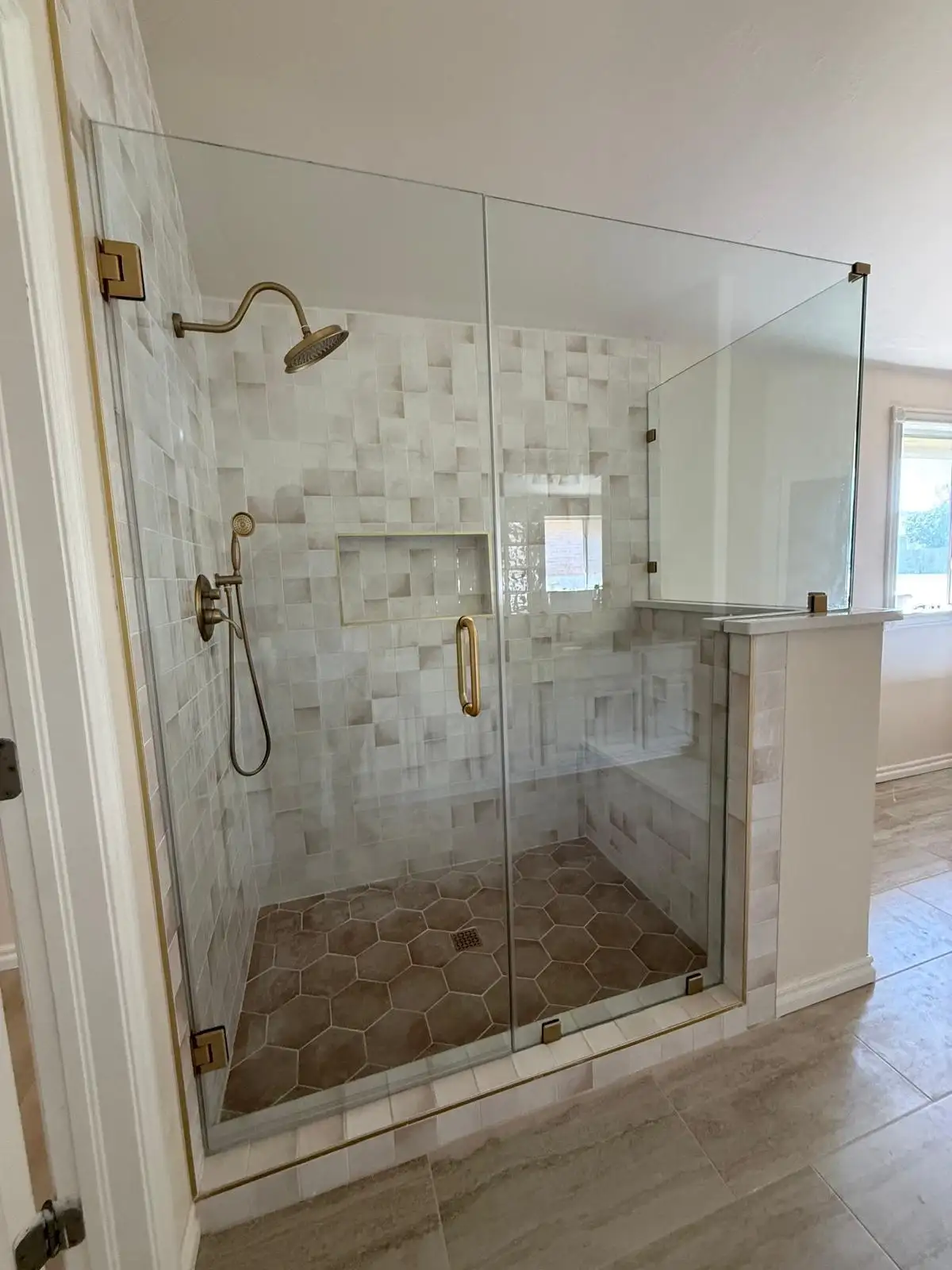
What Affects Tub to Shower Conversion Cost in DFW?
Several factors determine the final cost of converting your bathtub to a walk-in shower. Understanding what drives pricing helps you make informed decisions during the design and material selection process.
Plumbing complexity. If your new shower can reuse the existing tub drain location, plumbing costs stay lower. Relocating the drain to a new position — common when expanding beyond the original tub footprint or adding a linear drain for a curbless design — requires opening the concrete slab in most DFW homes and rerouting piping underneath. This is the single largest cost variable in most tub to shower conversions.
Shower size and layout. A direct replacement within the existing 60-by-30-inch tub alcove is the most straightforward conversion. Expanding the shower footprint by borrowing space from adjacent closets or reconfiguring the vanity adds demolition, framing, and tile square footage. Larger showers also require more glass for the enclosure.
Tile and material selection. Porcelain tile is the most cost-effective and durable option for shower walls and floors. Natural stone (marble, travertine, quartzite) adds a luxury aesthetic but increases material cost and installation time due to sealing requirements and more complex cutting. Mosaic accent features and custom niche designs add labor hours for precise tile setting.
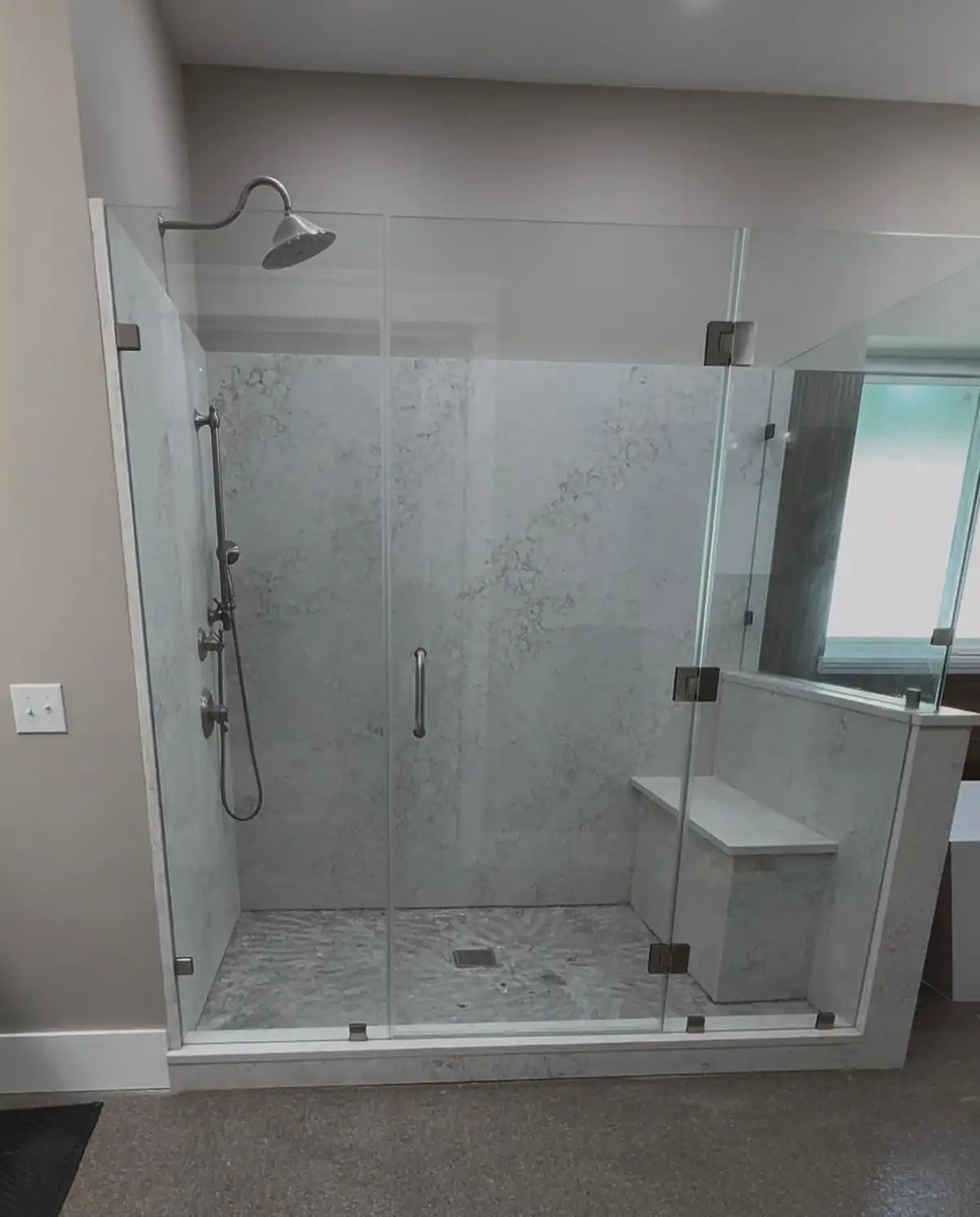
Glass enclosure type. A single fixed glass panel is the most affordable option and provides a clean, open aesthetic. Full frameless glass enclosures with hinged doors cost more due to the thicker glass, custom templating, and additional hardware. Semi-frameless options fall in between. All glass is measured and templated after tile work is complete to ensure a precise fit.
For an accurate tub to shower conversion cost estimate specific to your bathroom, schedule a free in-home consultation. We provide turnkey pricing that covers every aspect of the project.
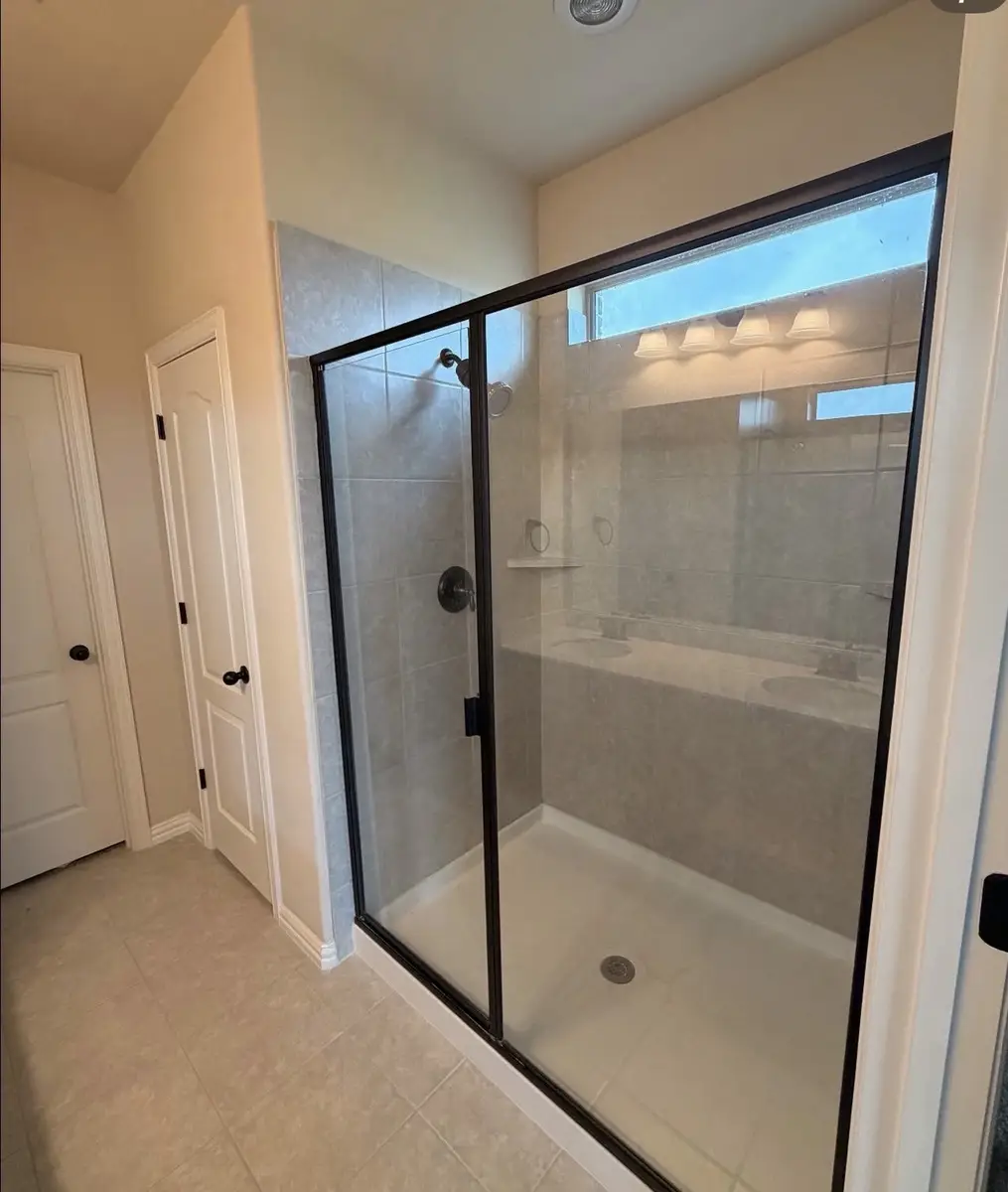
Should You Keep at Least One Bathtub?
Before converting your only bathtub to a shower, consider the resale implications. Real estate professionals in the DFW market consistently recommend keeping at least one bathtub in homes with multiple bathrooms — particularly in family-oriented neighborhoods.
The National Association of Realtors notes that homes without any bathtub can be harder to sell to families with young children. If your home has two or more bathrooms with tubs, converting one to a shower has virtually no negative impact on resale and typically increases both perceived value and buyer appeal.
If your home has only one bathroom, a tub-to-shower conversion still makes sense in many cases — particularly for empty nesters, single-person or couple households, and homeowners prioritizing accessibility. We discuss these considerations during your free consultation so you can make an informed decision.
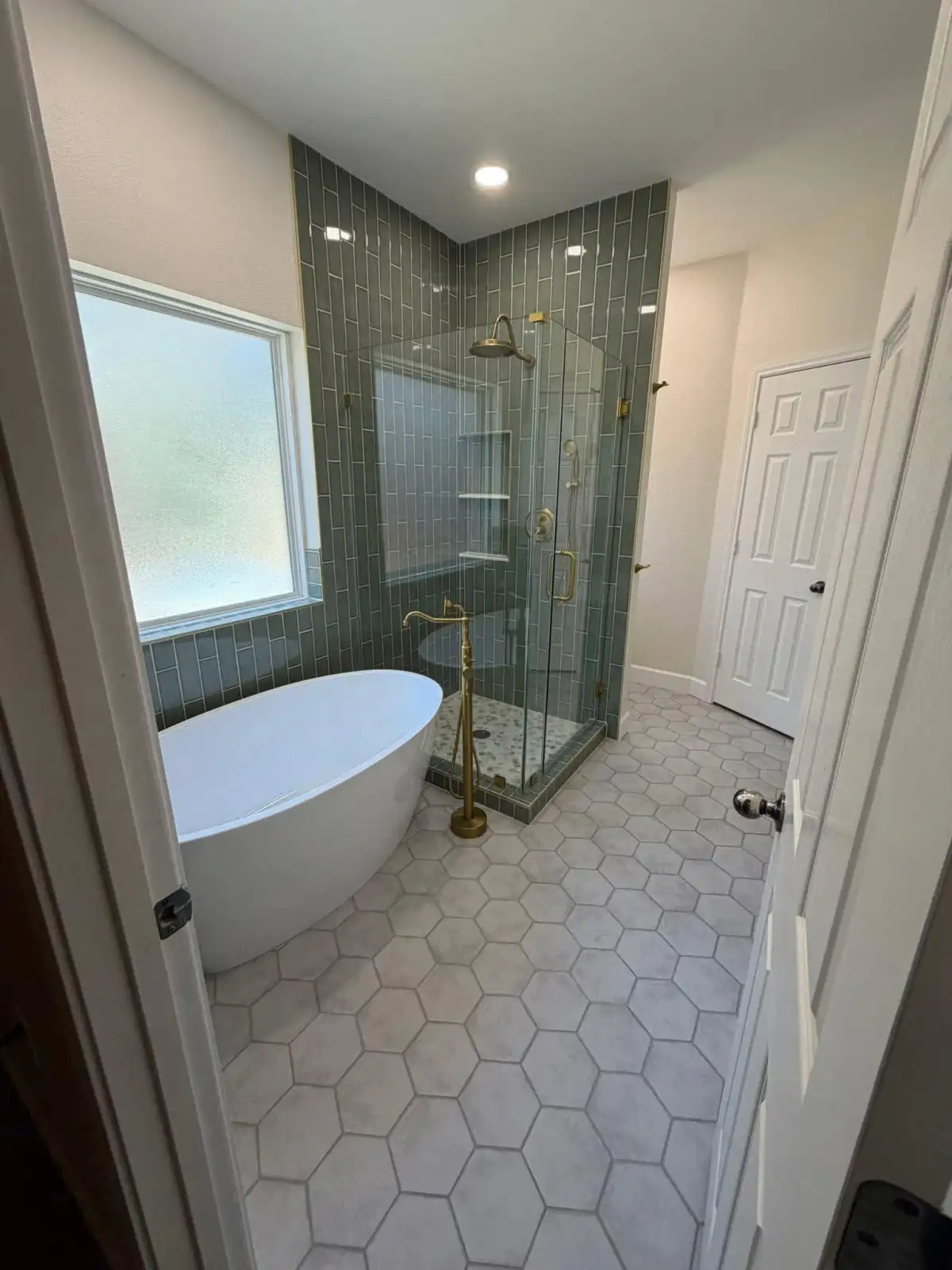
What Fort Worth Homeowners Should Know Before Replacing a Bathtub with a Shower
Converting a bathtub to a walk-in shower is one of the most popular bathroom upgrades across the DFW metroplex, but the project involves more complexity than many homeowners expect. Understanding these factors upfront helps you make informed decisions and avoid costly surprises.
Structural Considerations in DFW Homes
Most homes in Fort Worth, Arlington, and the surrounding DFW suburbs are built on concrete slab construction. When you replace a bathtub with a shower, the existing tub drain must be relocated to accommodate the new shower layout. In slab-on-grade construction, this means cutting into the concrete slab to reroute the drain piping — a process that requires precision to avoid damaging post-tension cables or existing plumbing runs. Our team has performed hundreds of slab plumbing modifications across Tarrant County and understands the specific construction practices common to DFW-area homes built from the 1960s through today.
Choosing Between Curbed and Curbless Designs
A curbed shower features a 4-to-6-inch raised threshold at the entry point. This is the simpler and more affordable option — the curb acts as a physical barrier to contain water within the shower footprint. A curbless shower eliminates the threshold entirely, creating a flush transition between the bathroom floor and the shower. Curbless designs require additional subfloor preparation (the shower floor must be recessed or the surrounding floor built up) and a linear drain positioned at the entry point. The cost difference between curbed and curbless is primarily driven by the subfloor modification required — not the tile or fixtures.
Permit Requirements in Fort Worth and Arlington
Both the City of Fort Worth and the City of Arlington require plumbing permits for tub-to-shower conversions because the project involves modifying drain and supply plumbing. The permit process ensures all plumbing work is inspected and meets current Texas Plumbing Code. We handle all permit applications and coordinate inspections as part of our turnkey service. Unpermitted plumbing modifications can create liability issues during home sales — title companies and home inspectors in the DFW market are increasingly flagging unpermitted bathroom work.
Impact on Home Insurance
Properly waterproofed shower installations can actually benefit your homeowner's insurance position. Water damage claims are among the most common and costly claims filed by Texas homeowners. A professional tub-to-shower conversion with documented waterproofing — including the Schluter-KERDI membrane system and 24-hour flood testing that we perform on every project — provides evidence of quality construction that may be relevant if a water-related claim is ever filed. We provide photo documentation of the waterproofing installation for your records.
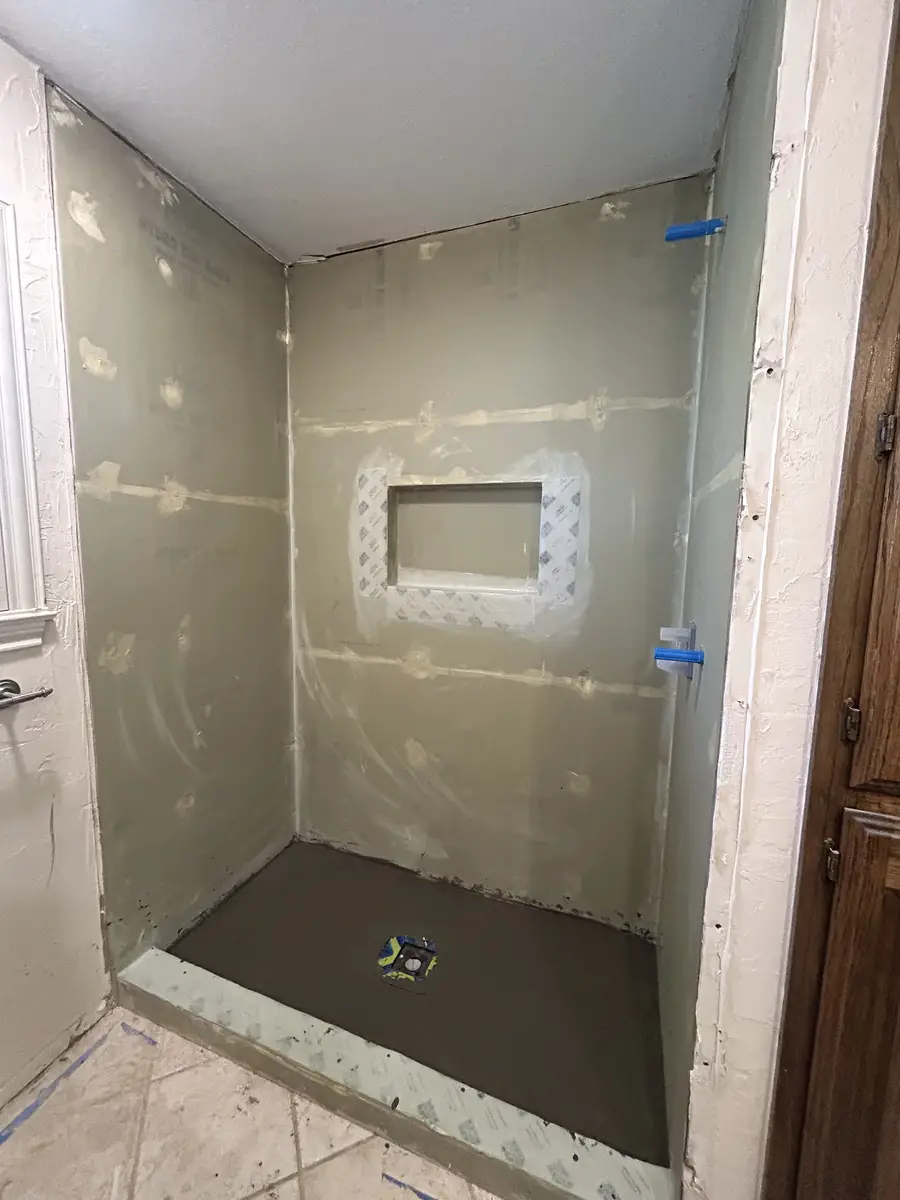
Details That Turn the Old Tub Bay Into a Daily Shower
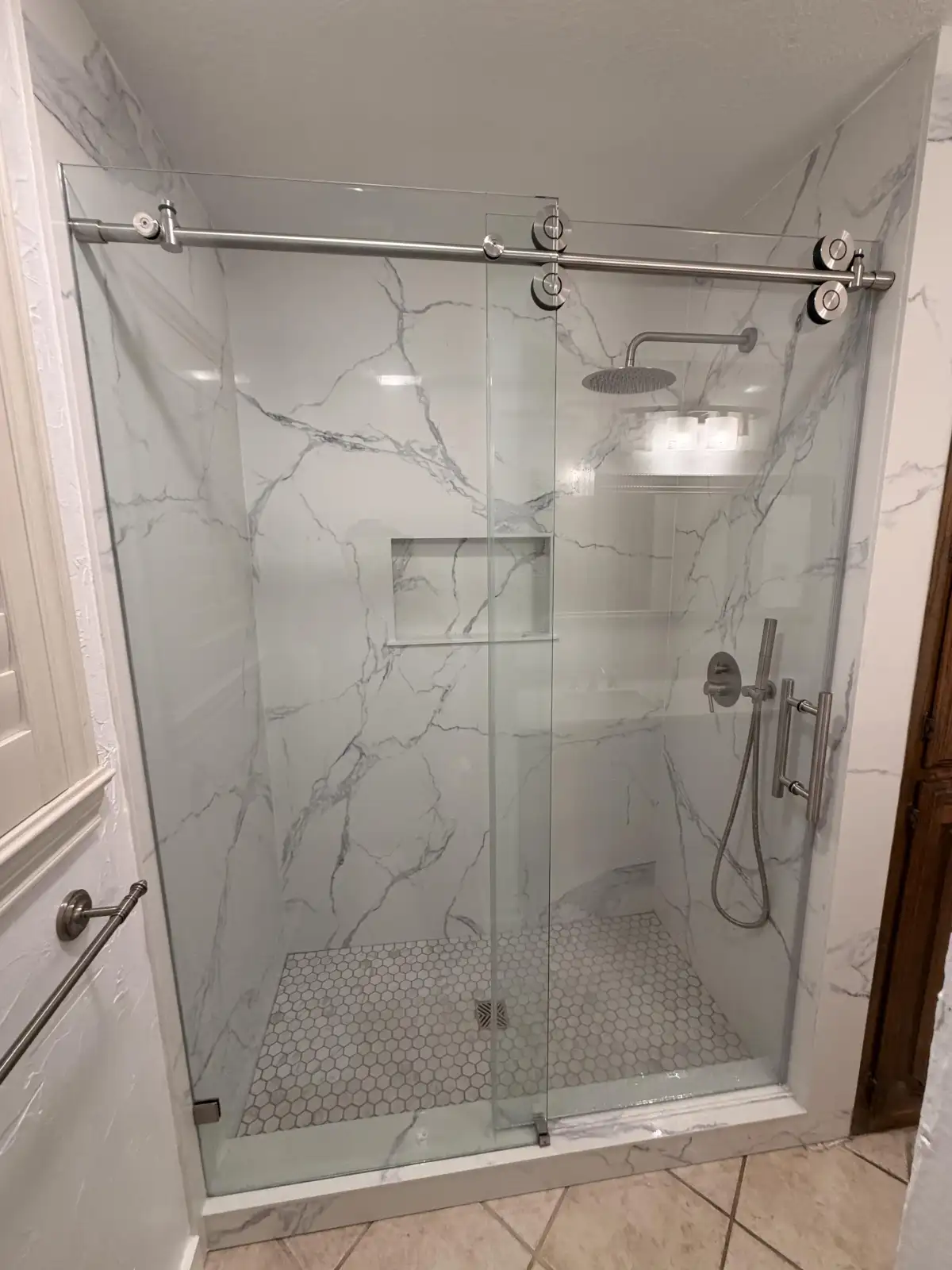
Curbless, barrier-free, and ADA-accessible walk-in showers designed for comfort, safety, and modern living.
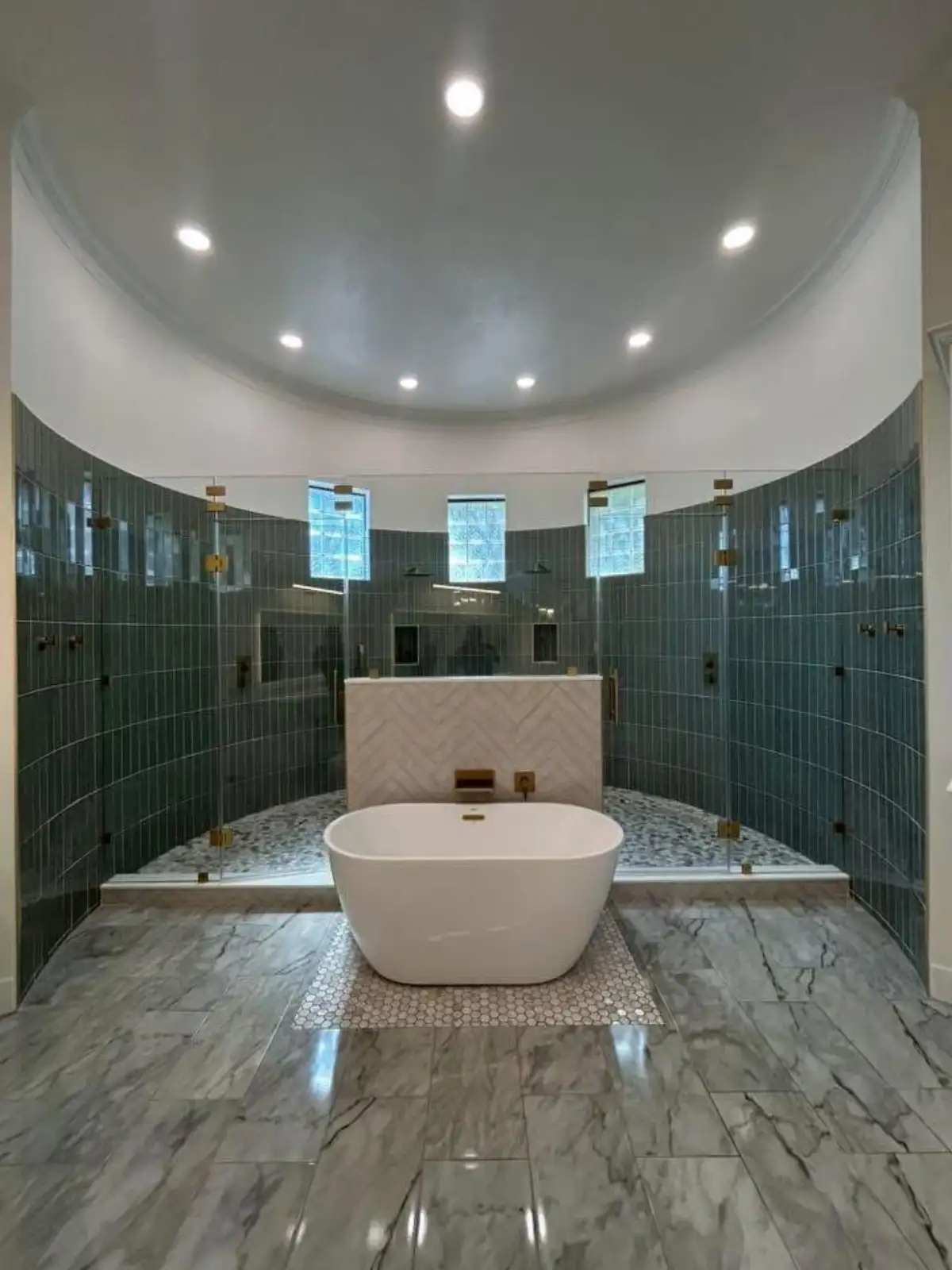
Custom tile showers, frameless glass enclosures, curbless designs, and steam shower installations.
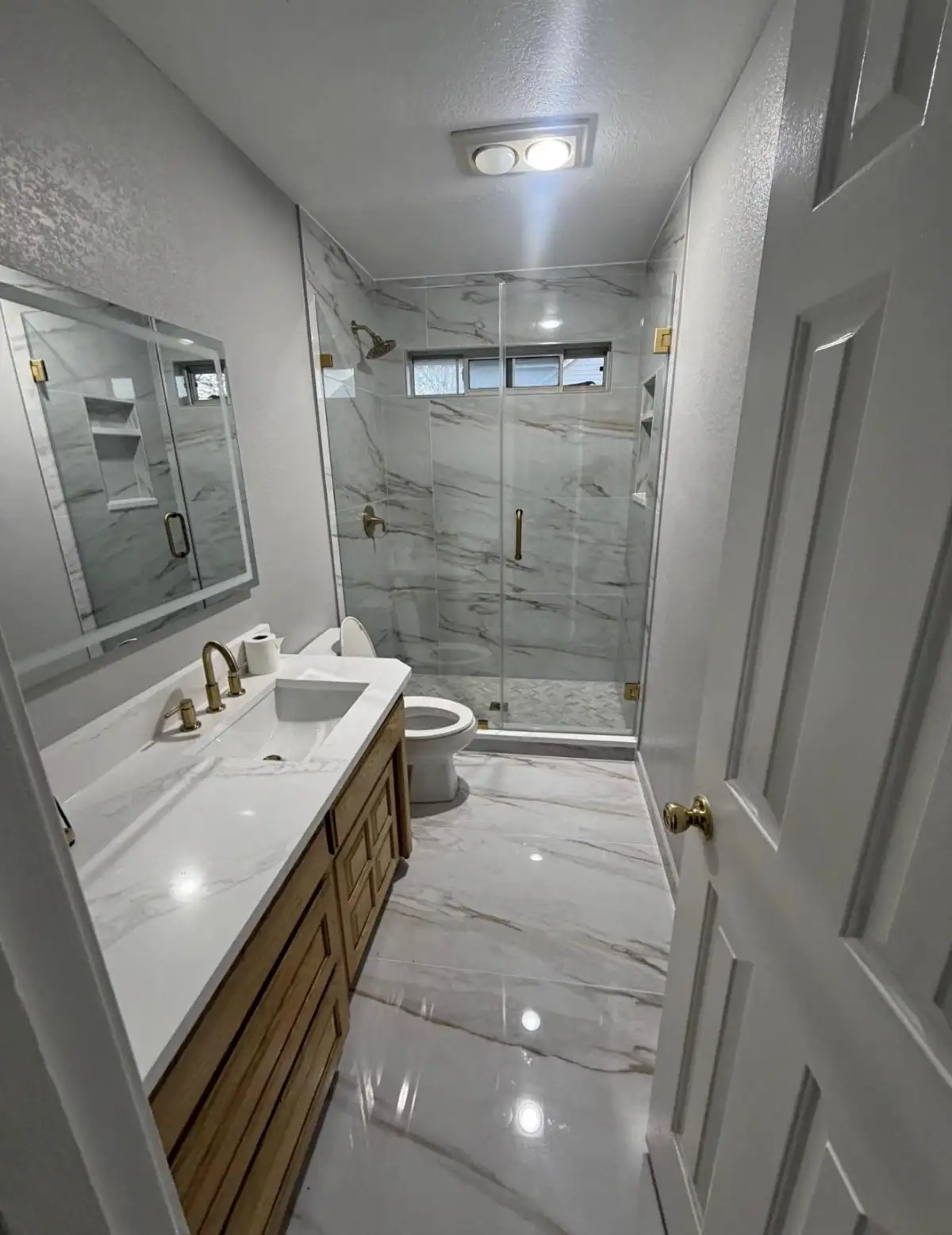
Complete bathroom renovations from demolition to final walk-through. Every trade managed under one roof.
Tub Replacement Planning Across Western DFW
Based in Arlington, we handle tub-to-shower conversions throughout the western DFW corridor and surrounding communities.
Tub to Shower Conversion FAQ
Yes. A curbless (zero-threshold) shower is one of the most popular conversion options. Building a curbless design requires modifying the subfloor to create drainage slope within the shower footprint while maintaining a flush transition to the bathroom floor. This adds to the project cost compared to a standard curbed shower, due to the additional subfloor work and linear drain system. We assess your floor structure during the consultation to confirm feasibility.
In Fort Worth, Arlington, and most DFW municipalities — yes. Because tub-to-shower conversions involve plumbing modifications (relocating the drain, changing supply lines, and modifying the valve configuration), a plumbing permit is required. We handle all permit applications, scheduling, and inspections as part of our scope of work. The permit ensures all plumbing meets current Texas code and is inspected by the city.
If you maintain at least one bathtub elsewhere in the home, converting a second tub to a walk-in shower typically improves resale value and buyer appeal. Updated showers are among the top features DFW home buyers prioritize. However, removing your only bathtub may narrow your buyer pool, particularly in family-oriented neighborhoods. We discuss this during your consultation based on your home's layout and your neighborhood market.
In many cases, yes. A standard bathtub is 60 inches long by 30 inches wide. Depending on your bathroom layout, we may be able to extend the shower footprint by borrowing space from an adjacent linen closet, repositioning the vanity, or extending into unused floor area. Expanding beyond the original tub footprint involves additional demolition, framing, and potentially moving plumbing — which increases cost but often results in a significantly more comfortable shower.
The existing tub drain is removed and the drain location is typically modified to better suit the new shower layout. Bathtub drains are positioned at one end of the tub, while shower drains are usually centered or positioned at the entry threshold (for linear drains). We modify the drain piping beneath the subfloor to route it to the optimal position for the new shower's drainage slope. This plumbing modification is one of the primary reasons a tub-to-shower conversion requires an experienced professional.
Turn the Unused Tub Into Better Daily Access
Schedule a free in-home consultation. We'll evaluate your current bathtub, discuss your design options, and provide a detailed estimate with fixed pricing — typically within 48 hours.
Custom Tile and Prefabricated Shower Options
“Bathtub-to-shower” and “tub-to-shower” describe the same conversion. Water & Stone's custom-tiled approach removes the existing tub and surround, checks the exposed structure, coordinates plumbing, and rebuilds the wet area with waterproofing before tile and glass.
When comparing a prefabricated system with a custom tile proposal, ask each installer to define demolition, treatment of concealed damage, waterproofing, drain and valve work, available dimensions, finishes, and warranty coverage. Compare the documented assembly and scope rather than assuming every conversion uses the same method.
Allow for material cure times and custom-glass templating after tile is complete. Fabrication can affect the final completion date even after most construction is finished. Review the conversion cost guide and confirm the project sequence before demolition.