
Low-Threshold Walk-In Showers in Fort Worth
Choose the entry height, glass configuration, seating, and storage around how you want to move through the shower now and in the years ahead.
- Low-threshold entry
- Curbless layouts
- Bench-ready walls
Walk-In Shower Cost Depends on Entry, Glass, and Tile
Walk-in shower installation investment depends on size, materials, and design complexity. The primary cost drivers are shower size (measured in square footage of tile surface), material selection, glass configuration, and whether existing plumbing needs to be reconfigured. We offer Essential, Premium, and Elite build levels to match your goals and budget.
An Essential walk-in shower includes porcelain tile, a single showerhead, built-in niche, and fixed glass panel. Premium builds add bench seats, dual shower heads, natural stone, and frameless glass enclosures. Elite installations feature heated floors, steam generators, body sprays, and custom stonework.
Walk-in showers have become the most requested bathroom upgrade in the DFW market, according to the National Association of Home Builders (NAHB) 2024 What Home Buyers Really Want survey. Their popularity stems from a combination of practical benefits: easier entry and exit, reduced fall risk, a more spacious feel, and a modern design aesthetic that appeals to both current homeowners and future buyers.
At Water & Stone, every walk-in shower is built on a fully waterproofed shower system using the Schluter-KERDI system. Our team personally oversees the waterproofing phase of every installation.
Low-Threshold and Open Shower Layouts
Every walk-in shower is custom-designed for your bathroom layout, mobility needs, and aesthetic preferences. These are the most popular configurations we build.
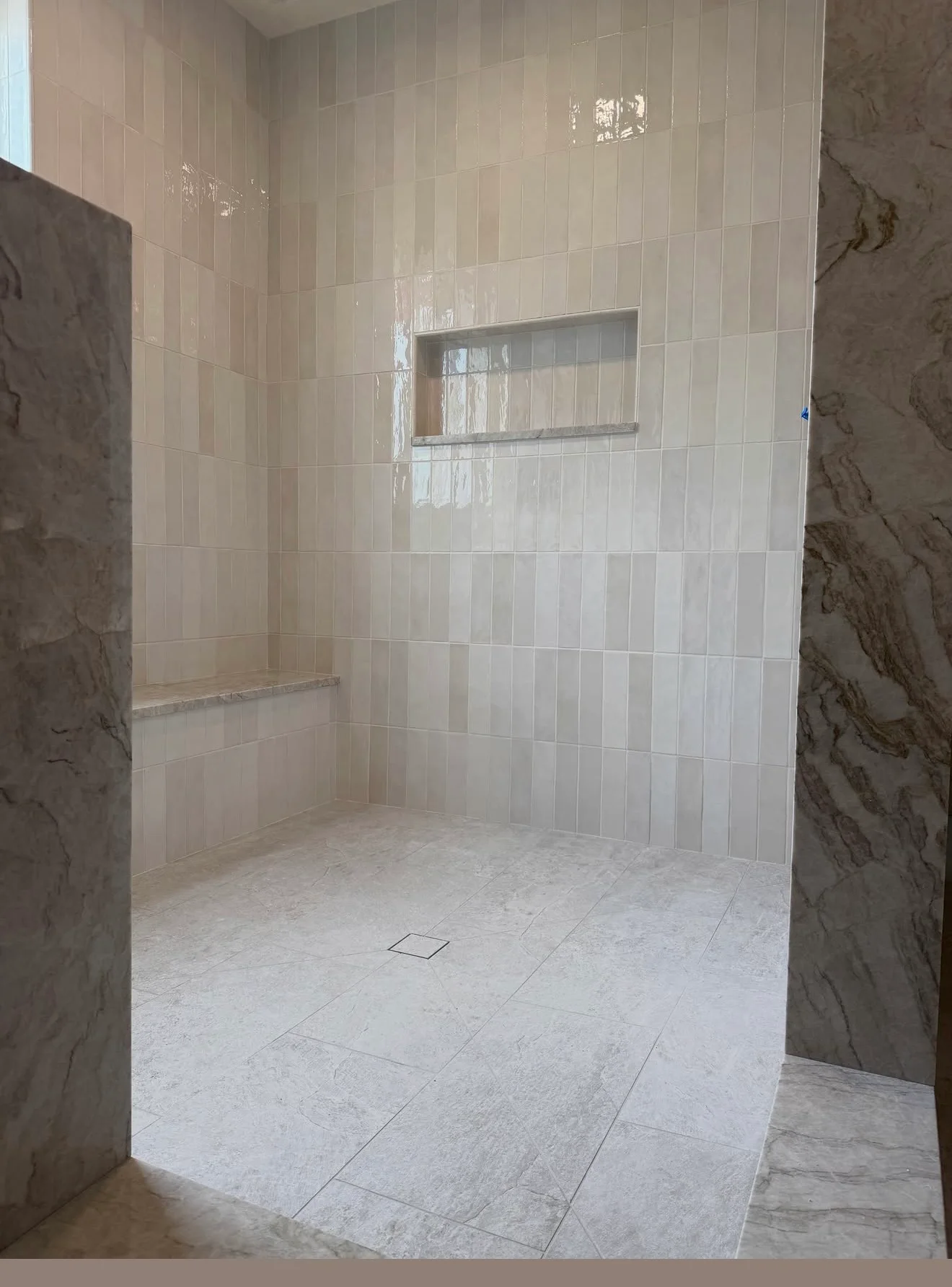
Curbless Walk-In Showers
The most sought-after walk-in shower design. A curbless shower eliminates the raised threshold entirely, creating a flush transition between the bathroom floor and the shower floor. This requires precise subfloor preparation — the bathroom floor must be built up or the shower floor recessed to create the necessary drainage slope while maintaining a level entry point.
We use linear drain systems (Schluter-KERDI-LINE) positioned at the shower's threshold to capture water before it reaches the bathroom floor. The result is a seamless, spa-like shower that looks and feels like a high-end hotel installation.
Barrier-Free & ADA-Accessible Showers
Designed to meet or exceed ADA accessibility guidelines, barrier-free showers feature zero-threshold entry, reinforced grab bar blocking in the wall framing, built-in bench seats at transfer height, handheld shower wands on adjustable slide bars, and anti-slip tile flooring.
Whether you're planning for aging in place, accommodating a family member with mobility challenges, or simply want maximum accessibility, we design barrier-free showers that meet functional requirements without sacrificing aesthetics. According to AARP, 77% of adults over 50 want to remain in their current home as they age — an accessible shower is one of the most impactful modifications to support that goal.
Walk-In Showers with Bench & Niche
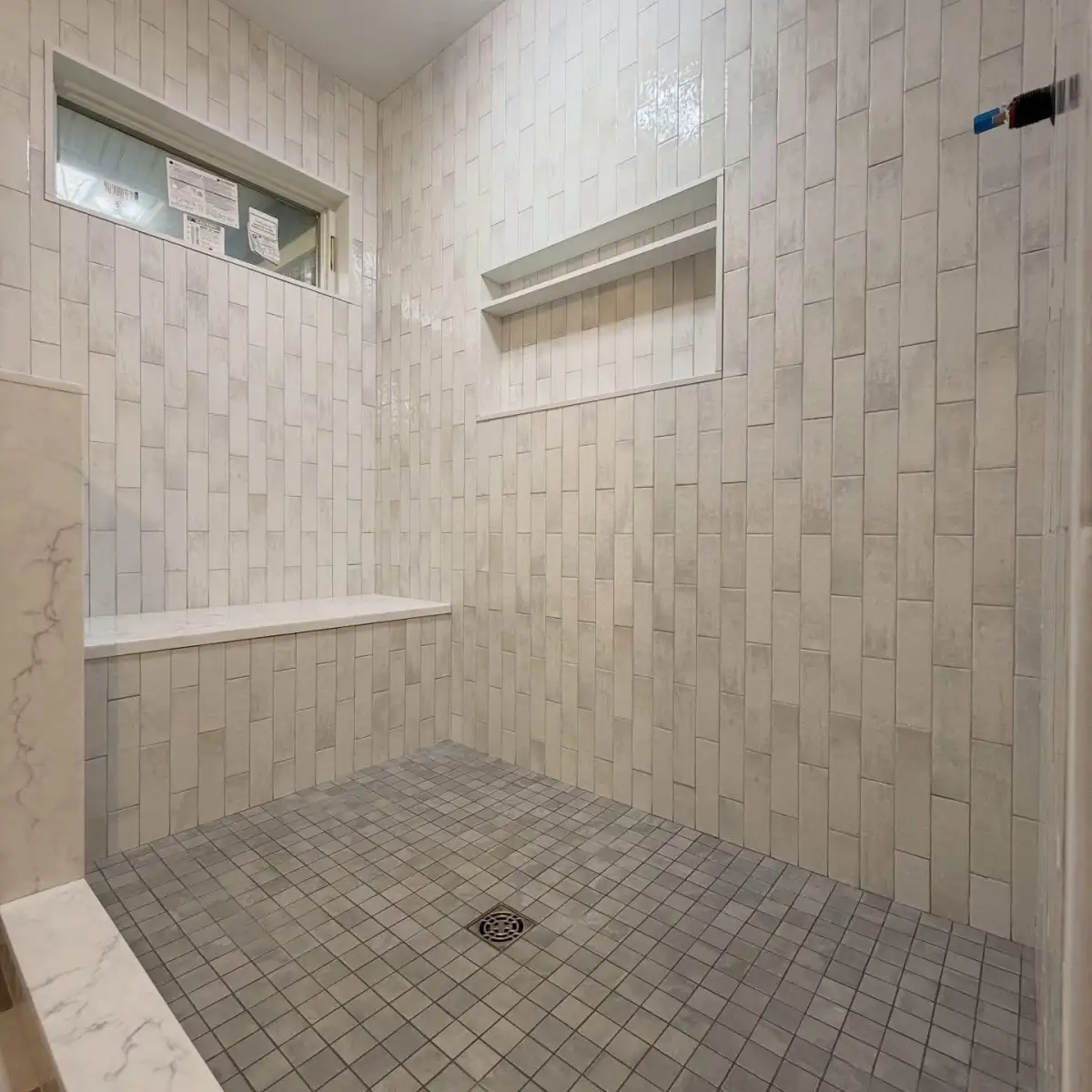
Built-in bench seats and recessed niches add both comfort and functionality to your walk-in shower. Bench seats are tiled to match your shower walls and pitched slightly forward for drainage. We reinforce the framing behind every bench to support weight safely.
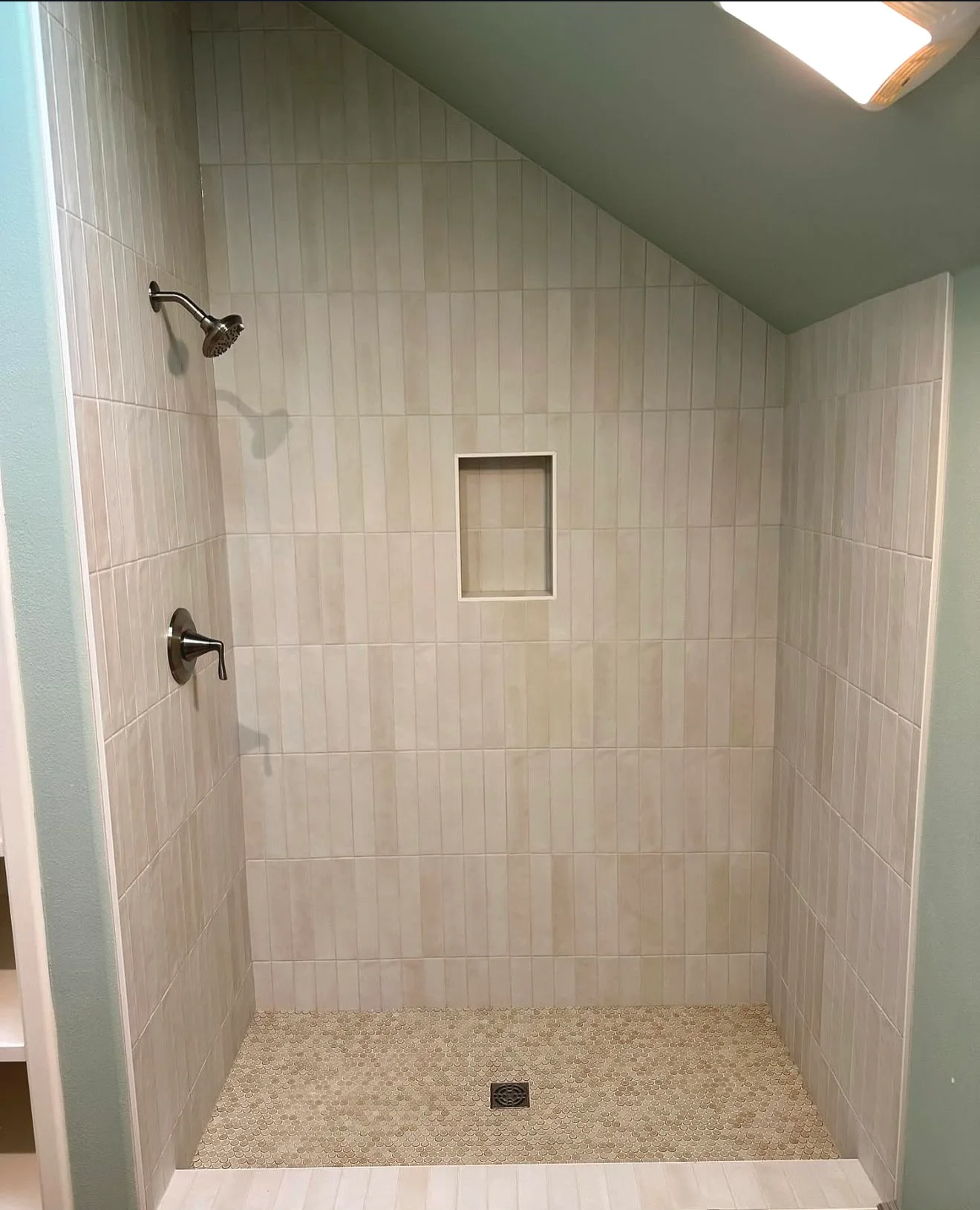
Recessed niches provide storage for shampoo, soap, and toiletries without protruding into the shower space. We waterproof every niche with Kerdi membrane and pitch the niche shelf forward to prevent standing water. Popular configurations include single, double, and full-height niches between wall studs.
Frameless Glass Panel Walk-Ins
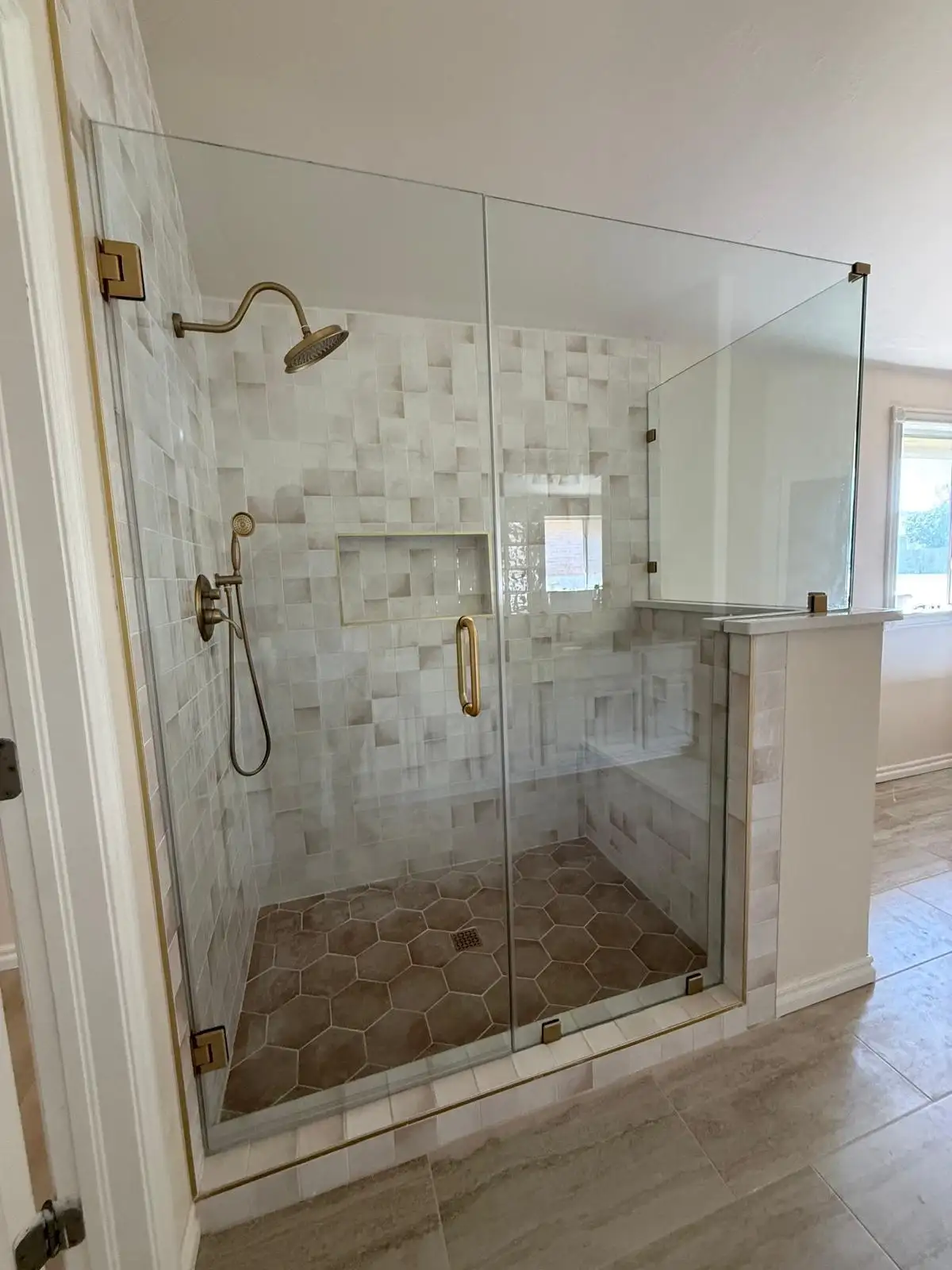
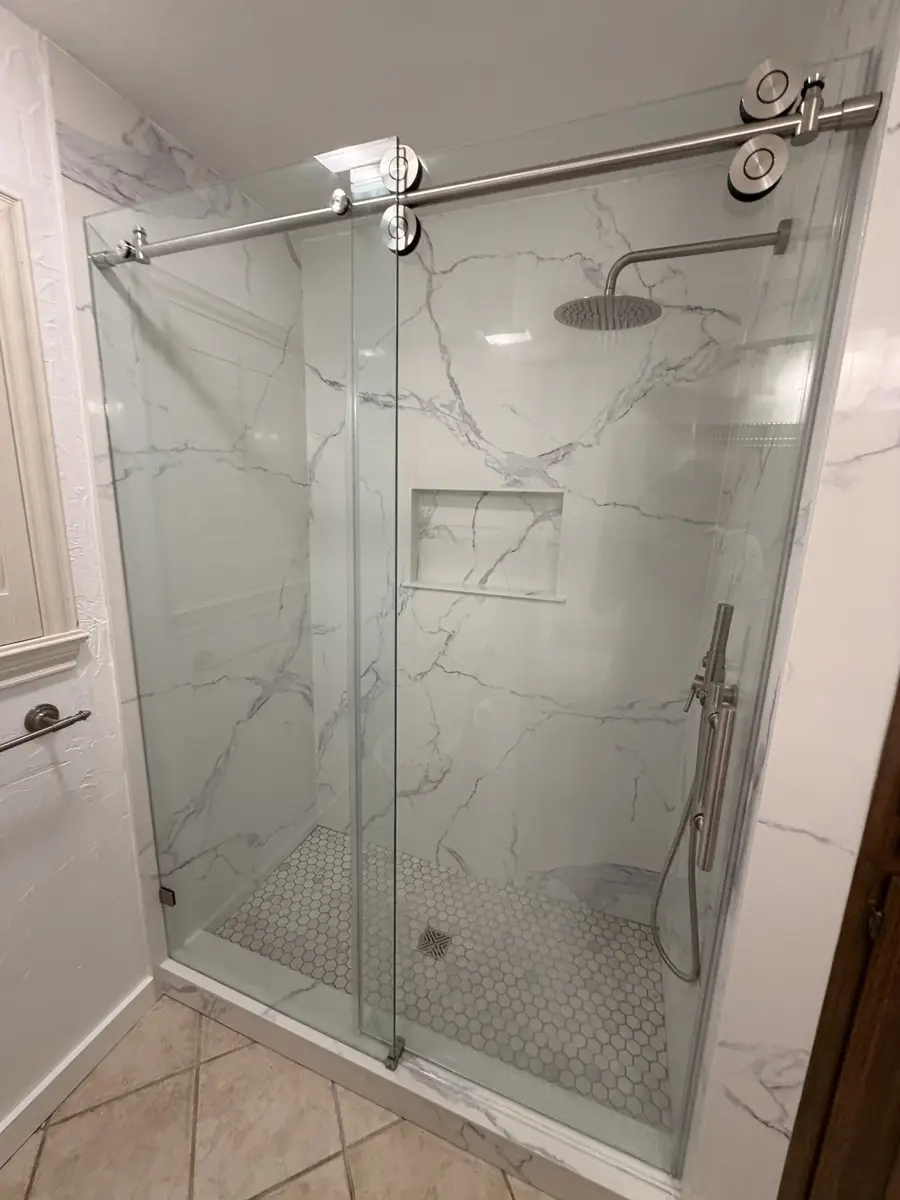
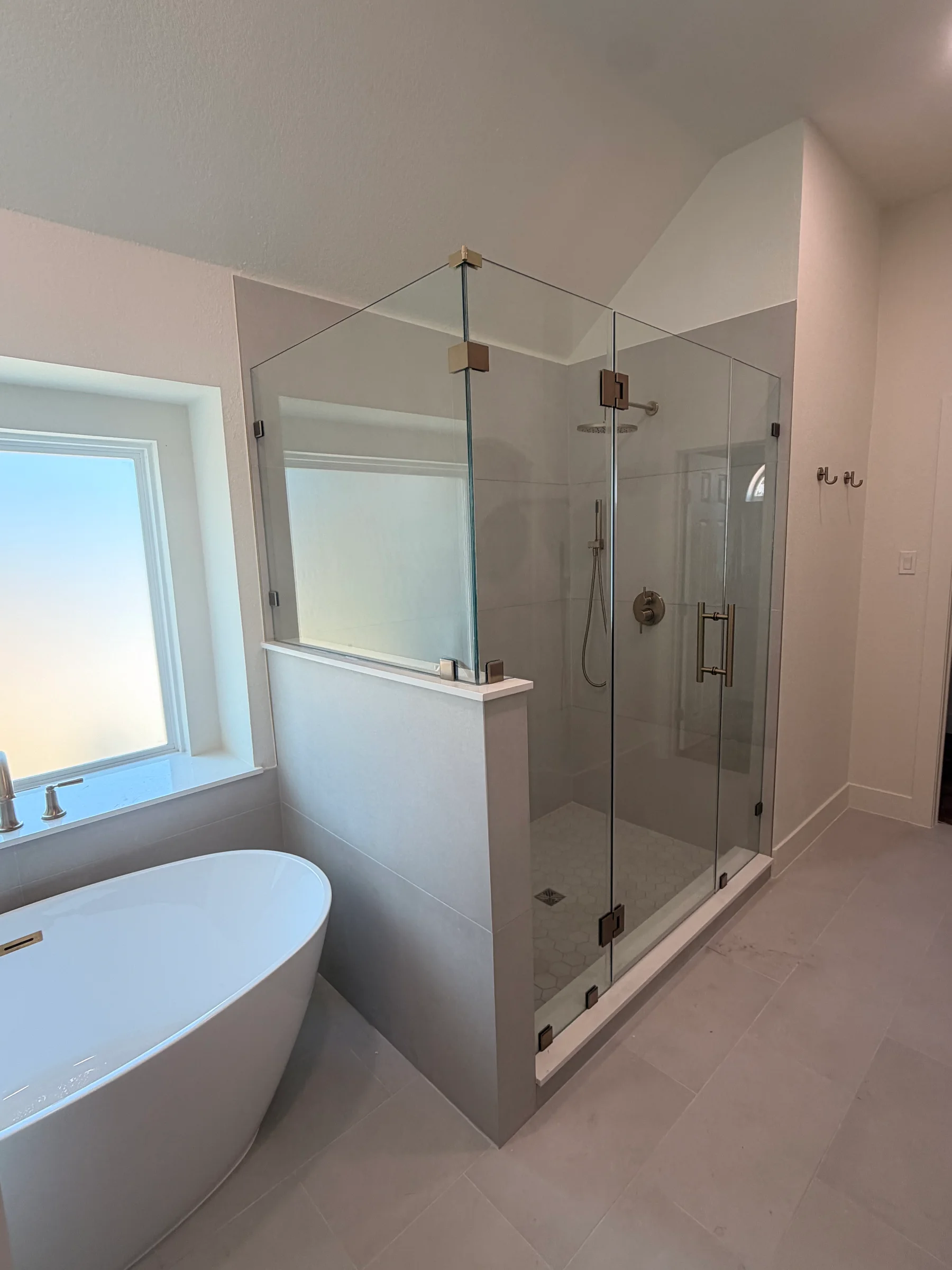
Fixed frameless glass panels define the shower space without the confinement of a full enclosure. A single glass panel — typically 3/8" or 1/2" tempered glass — anchored to the wall or a half-wall pony creates an open, airy feel while containing water spray within the shower area.
This configuration works particularly well in smaller bathrooms where a full glass enclosure might feel claustrophobic. Glass panel options include clear, low-iron (extra clear), frosted, and rain-textured finishes. Hardware finishes include matte black, brushed nickel, brushed gold, and polished chrome.
Walk-In Showers for Safety & Independence
The bathroom is the most dangerous room in the home. According to the CDC, over 235,000 people visit emergency rooms annually due to bathroom-related injuries, with the majority involving falls in and around the bathtub or shower.
A walk-in shower — especially a curbless design — dramatically reduces fall risk by eliminating the need to step over a tub wall or shower curb. For homeowners planning to age in place or caring for elderly family members, a walk-in shower is one of the most impactful home safety modifications available.
Our aging-in-place walk-in shower installations include:
- Zero-threshold curbless entry
- Reinforced wall blocking for grab bars (installed now or later)
- Built-in bench seat at standard transfer height (17-19 inches)
- Handheld shower wand on an adjustable slide bar
- Anti-slip tile with appropriate coefficient of friction (COF > 0.42)
- Lever-handle shower controls (easier to operate than knobs)
- Thermostatic mixing valve to prevent scalding
These features can be incorporated into a beautifully designed shower that looks like a luxury installation — not an institutional retrofit. Safety and style are not mutually exclusive.
Walk-In Shower Tile & Material Options
The tile and materials you choose define the look, maintenance requirements, and longevity of your walk-in shower. We work with premium suppliers to offer a full range of options.
Porcelain Shower Walls
The industry standard for shower installations. Porcelain has a water absorption rate below 0.5%, making it virtually impervious to moisture. Available in matte, polished, honed, and textured finishes. Large-format porcelain (12x24, 24x48) is our most requested shower wall material for its clean aesthetic and reduced grout maintenance.
Sealed Stone Accents
Marble, travertine, slate, and quartzite bring unique character and luxury to walk-in showers. Each slab has natural variation — no two showers look the same. Natural stone requires periodic sealing (annually for marble, every 2-3 years for granite) but creates an unmatched premium aesthetic.
Large-Format Wall Tile
Tiles 24x48 and larger create a seamless, expansive look with minimal grout joints. Fewer grout lines mean less maintenance and a cleaner aesthetic. Large-format installation requires a perfectly flat substrate and specialized tools — this is not a tile type suited for DIY installation.
Mosaic Shower Floors
Small-format mosaics (1x1, 2x2, penny rounds) are the preferred choice for shower floors because their numerous grout joints provide excellent traction when wet. We also use mosaics as accent strips, niche liners, and feature walls to add visual depth and contrast to walk-in showers.
Linear Drains
Linear drains replace traditional center-point drains, allowing the shower floor to slope in a single plane rather than four directions. This makes large-format floor tile possible in walk-in showers and creates a sleeker, more modern look. We install Schluter-KERDI-LINE drains with tile-in grate options.
Frameless Glass
3/8" and 1/2" tempered glass panels and doors complete the walk-in shower. We offer clear, low-iron, frosted, and rain-textured options. All hardware is available in matte black, brushed nickel, brushed gold, polished chrome, and satin brass. Panels are templated after tile installation for a precision fit.
What to Consider Before Installing a Walk-In Shower in Fort Worth
A walk-in shower installation is a significant investment in your home. Before committing to a design, there are several practical factors that Fort Worth and DFW homeowners should evaluate to ensure the finished shower meets both current needs and long-term goals.
Existing Bathroom Layout and Plumbing
The location of your existing drain, supply lines, and vent stack determines how much plumbing modification is required. If your walk-in shower can utilize the existing drain location, the project scope and cost are reduced. If the drain needs to be relocated — common when converting a bathtub alcove to a larger walk-in shower — the subfloor must be opened to reroute the drain piping. In slab-on-grade homes, which are prevalent throughout the DFW metroplex, this involves cutting and patching the concrete slab. During your in-home consultation, we assess the existing plumbing layout and provide a clear scope that accounts for any necessary modifications.
Ventilation and Moisture Management
Walk-in showers, especially open-concept and curbless designs, introduce more moisture into the bathroom environment than enclosed shower/tub combinations. Adequate ventilation is essential. The Home Ventilating Institute (HVI) recommends a minimum of 1 CFM per square foot of bathroom floor area, though we recommend 1.5 to 2 CFM for bathrooms with large walk-in showers or steam showers. If your existing exhaust fan is undersized — a common issue in older Fort Worth homes — we can upgrade it as part of the project. Proper ventilation protects paint, cabinetry, and drywall surfaces outside the shower from excess humidity.
Glass Configuration and Water Containment
The amount and placement of glass in a walk-in shower affects both aesthetics and water containment. A full glass enclosure provides maximum water containment but reduces the open feel. A single fixed glass panel preserves the spacious aesthetic but requires careful showerhead placement to direct water away from the opening. For curbless walk-in showers near the DFW market's average shower footprint of 36 by 60 inches, we typically recommend a fixed panel covering at least 60 percent of the opening combined with a strategically positioned linear drain to capture water at the threshold.
Heated Flooring Considerations
Heated floor systems are a popular addition to walk-in shower installations in the DFW area, especially for fall and winter months when tile floors can feel cold underfoot. Electric radiant heating mats — installed between the waterproofing membrane and the tile — provide consistent, energy-efficient warmth. The Schluter-DITRA-HEAT system is compatible with our KERDI waterproofing installation and adds approximately one day to the project timeline. Heated floors can extend into the bathroom beyond the shower area for continuous warmth across the entire floor surface.
Walk-In Shower FAQ
Most bathrooms can accommodate a walk-in shower, though the ideal minimum footprint is 36" x 48". For curbless designs, we need adequate space to create the drainage slope within the shower footprint — typically at least 36" x 60". During your in-home consultation, we assess the existing plumbing, drain location, floor structure, and layout to determine the best configuration for your space. If the current drain position doesn't align with the new design, we can relocate it as part of the project.
Not when properly designed and installed. The key to a leak-free curbless shower is proper slope engineering and strategic drain placement. We position the linear drain at or near the shower's entry point so water is captured before it can escape to the bathroom floor. The shower floor slopes toward the drain at a minimum of 1/4" per foot. Combined with a glass panel to contain spray, a properly built curbless shower keeps water exactly where it belongs.
Most walk-in shower installations take 10 to 15 business days from demolition to completion. Curbless designs may take slightly longer due to the subfloor preparation required for the flush threshold. Standard walk-in showers with a curb can typically be completed in 7 to 10 days. The waterproofing and flood-testing phase requires 2 to 3 days. Glass panels are measured after tile is complete and typically installed within 5 to 7 business days of templating.
Walk-in showers consistently rank among the top bathroom features in buyer preference surveys. The NAHB 2024 What Home Buyers Really Want report found that a walk-in shower was the most desired bathroom feature across all buyer demographics. In the DFW market specifically, updated bathrooms with walk-in showers help homes sell faster and at higher price points. If you already have at least one bathtub in the home, converting a second bathroom's tub to a walk-in shower is a strong return-on-investment improvement. For a deeper comparison, read our guide on walk-in showers vs. bathtubs for DFW homes.
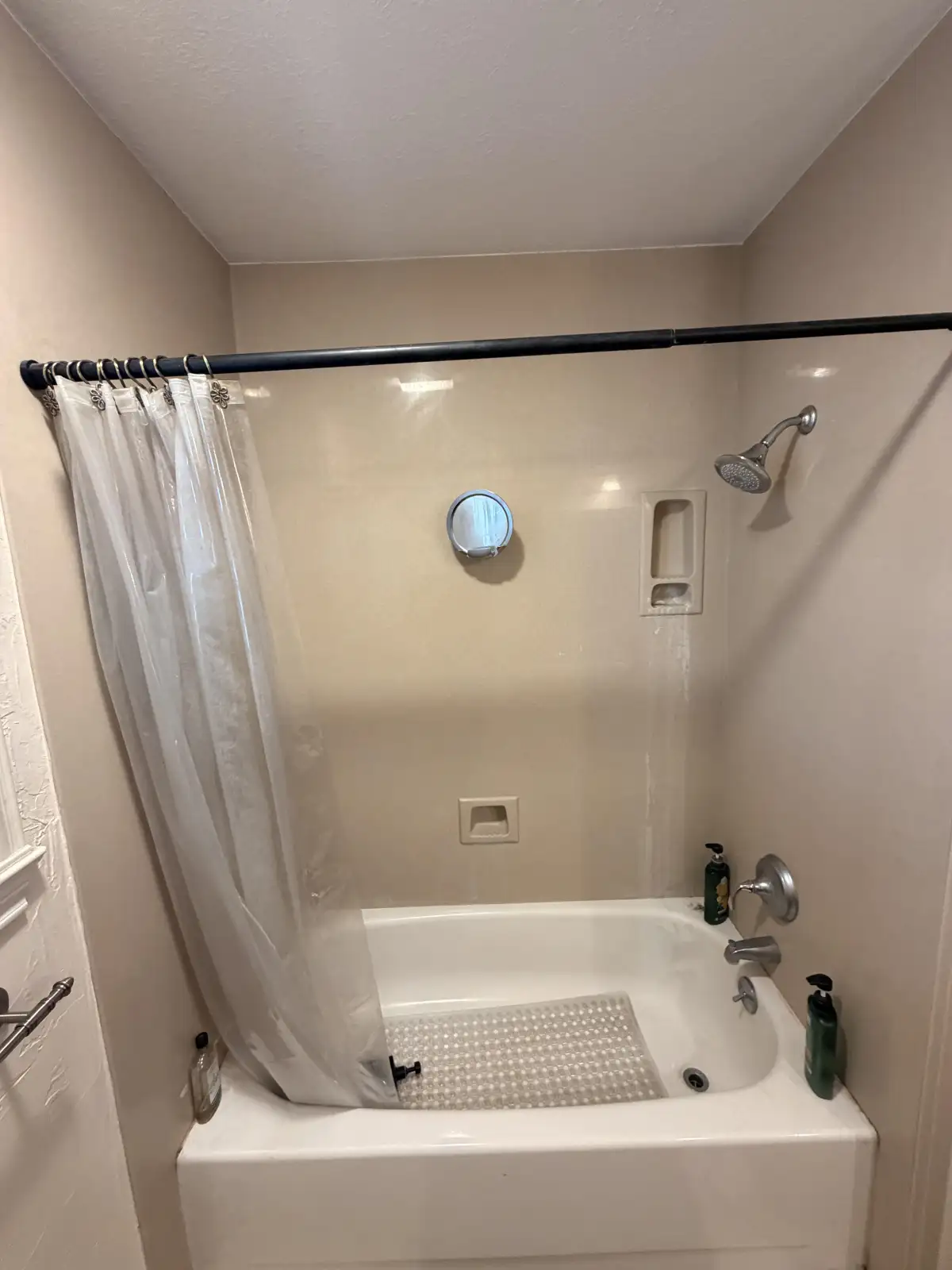
A walk-in shower installation can be either a new construction (new footprint where no shower previously existed) or a replacement of an existing shower. A tub-to-shower conversion specifically refers to removing a bathtub and building a shower in its place. Many tub-to-shower conversions result in a walk-in shower — the terms overlap. The distinction matters primarily for scope: a tub-to-shower conversion always includes tub removal and typically involves plumbing modifications, while a walk-in shower installation on an existing shower footprint may reuse existing drain and supply connections.
Walk-In Shower Maintenance and Long-Term Care
A properly built walk-in shower requires minimal maintenance when the waterproofing and tile installation are done correctly from the start. However, a few regular maintenance practices will keep your shower looking new and functioning properly for decades.
Grout sealing. Cement-based grout is porous and should be sealed after installation and resealed every 12 to 18 months. A quality penetrating grout sealer prevents moisture, soap residue, and body oils from staining the grout joints. We apply an initial sealant as part of every walk-in shower installation and recommend scheduling a reapplication before the first anniversary of your project.
Glass care. Frameless glass panels and enclosures stay clear with regular squeegee use after each shower. A quick pass with a squeegee removes water droplets before they dry and leave mineral deposits. For DFW homeowners with hard water — which is common in Tarrant County's municipal supply — a weekly cleaning with white vinegar or a non-abrasive glass cleaner prevents calcium buildup on glass surfaces. Applying a glass treatment coating after installation adds a hydrophobic layer that causes water to bead and roll off.
Drain maintenance. Linear drains and center-point drains should be cleared of hair and debris every two to four weeks. Most linear drain grates lift out for easy cleaning. Running hot water through the drain for 30 seconds after cleaning helps clear soap buildup in the trap below.
Caulk inspection. The silicone caulk joints where the shower meets the floor, glass meets tile, and fixtures meet the wall surface should be inspected every six months. If you notice separation, cracking, or mildew discoloration in any caulk joint, recaulking promptly prevents moisture from reaching the substrate behind the tile. This is a straightforward maintenance task that protects your walk-in shower investment over time.
For natural stone shower installations (marble, travertine), stone-specific sealant should be applied annually. Avoid acidic cleaners on natural stone surfaces — use pH-neutral stone cleaners to preserve the finish.
Companion Upgrades for an Easier Shower Entry
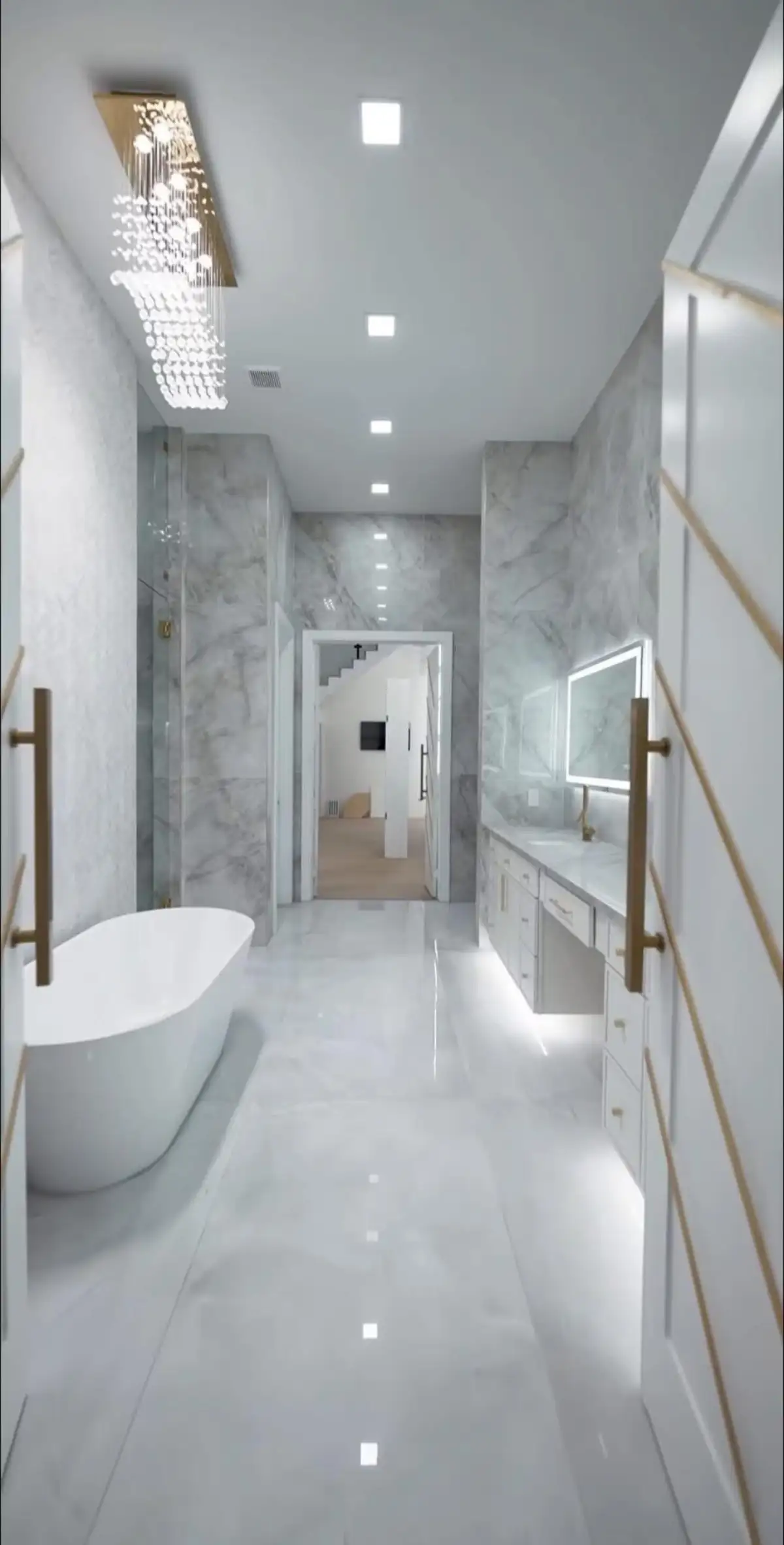
Custom tile showers, frameless glass, curbless designs, and steam shower installations for any budget.
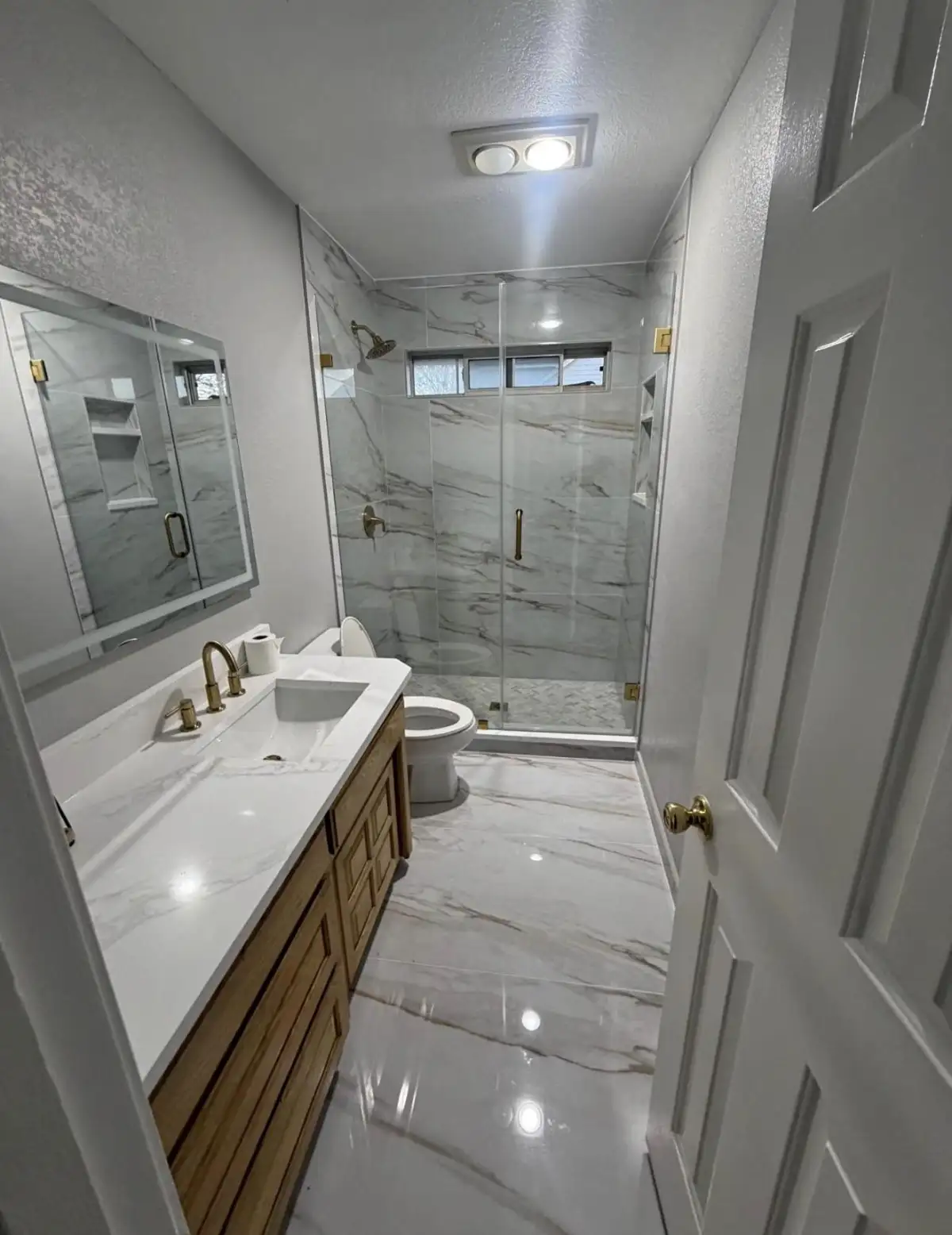
Remove your unused bathtub and replace it with a spacious walk-in shower. More room, better accessibility.
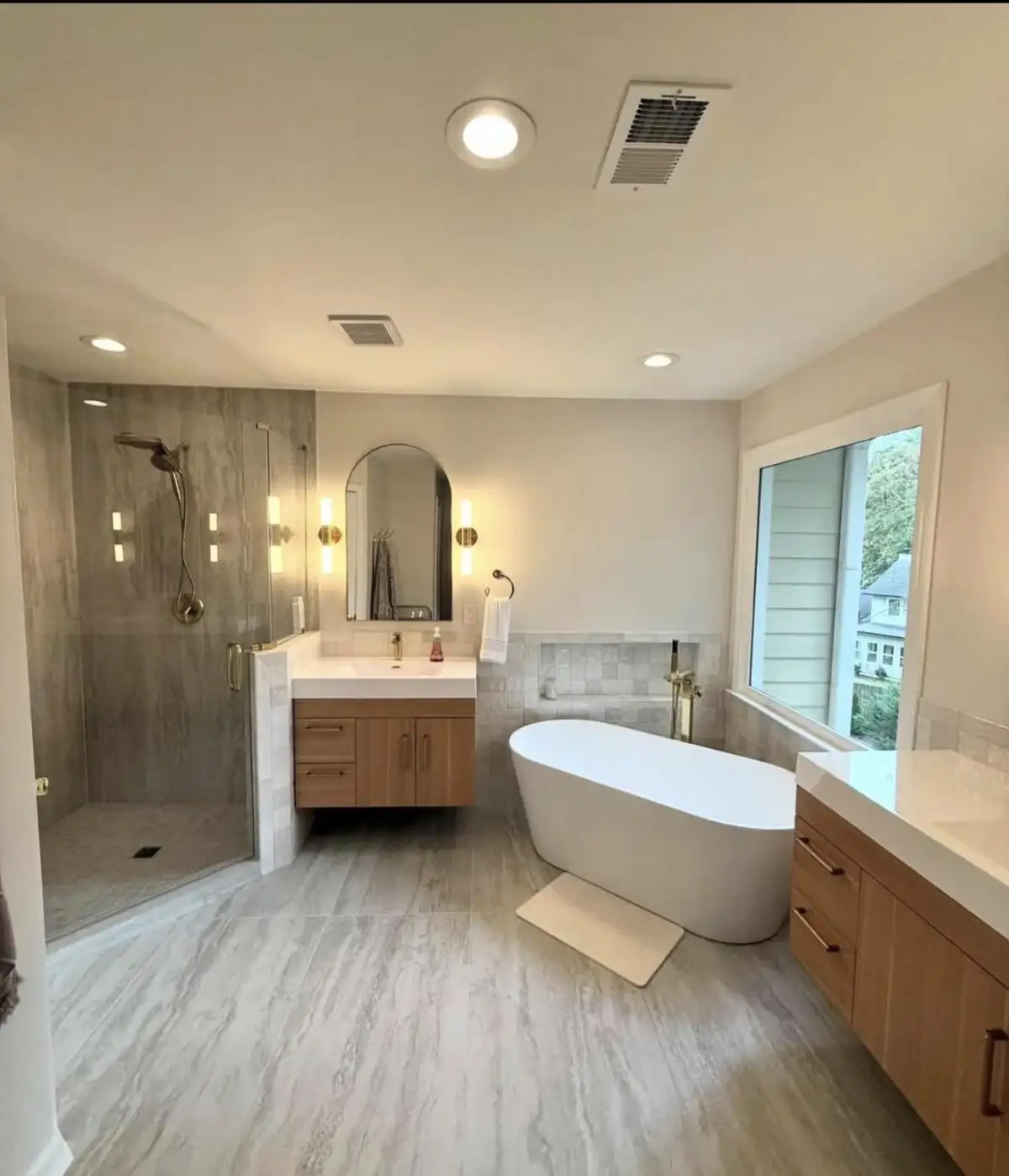
Complete bathroom renovations including shower, vanity, tile, fixtures, and finishes — all under one roof.
Step Into a Shower Built Around Comfort
Schedule a free in-home consultation. We'll measure your space, discuss design options and accessibility features, and provide a detailed estimate with fixed pricing.